
Thoughts for Estranged Christian Parents on the Passage of Time
When our children were born, you and I started. We counted days. Then weeks. Then months. At some point amid tantrums, pull-ups, and sippy cups, we started counting years. Let’s close our eyes and remember chubby hands trying to hold up three fingers. At some point, our children reminded us that there were half years.
When did the years turn to seasons like pre-school, tween, and adolescence? When did seasons turn to generations marked by the crooked letters at the end of the alphabet?
We remember so many days. The memories are palpable, just below the surface, still in color, though fading. The sound is still sharp in our minds with static just around the edges. If we hold our breath, perhaps we can be transported back to the kitchen with the peeling linoleum to marvel at a giggle that wouldn’t stop.
We also remember that day. The day the silence began. The day the distance began to grow into a tunnel so dark it seemed to eat light. The day they became beloved strangers. We started counting anew. Days turned into weeks. Then months. When we passed the one-year mark, we ached in disbelief.
How many days has it been?
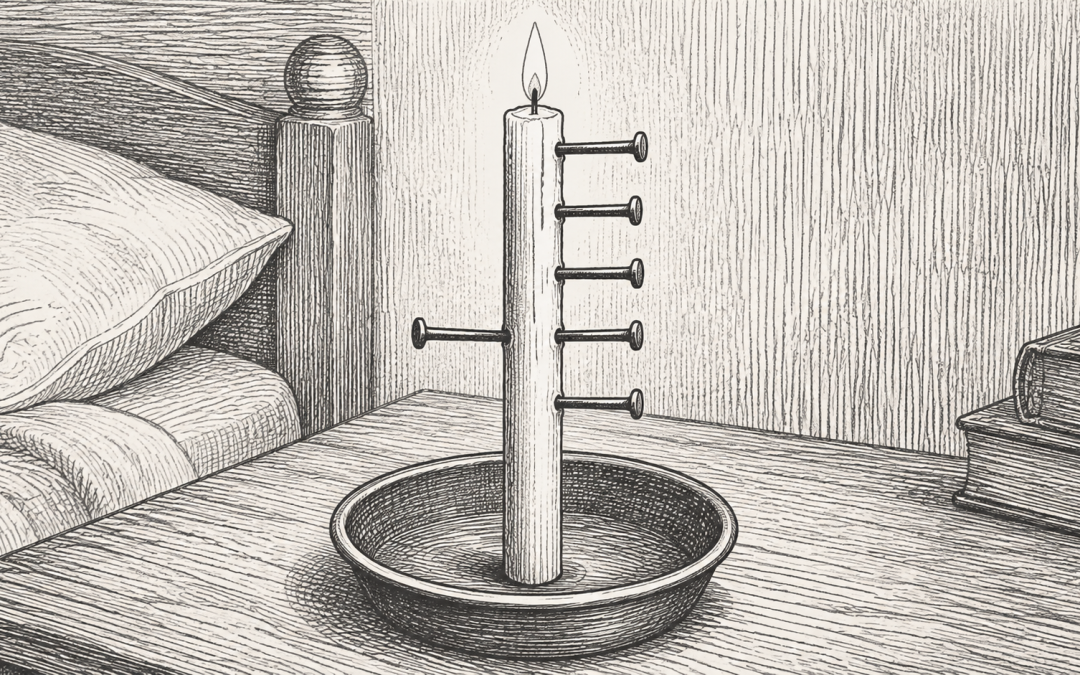
Moses seems to have counted days, too. He must have counted often—sheep, plagues, commandments, years in the wilderness. In Psalm 90, the oldest Psalm and the only one we know he wrote, he says,
“Teach us to number our days carefully
so that we may develop wisdom in our hearts.”
—Psalm 90:12, CSB
Carefully. How do we number our days carefully?
We are so used to counting our days in sadness, despair, grief, anger, and longing. Is that numbering days with care?
The Hebrew word for “number” is pronounced “maw-nah” and carries more weight than an eight-year-old, konked-out by vacation, carried upstairs from the car to bed. It means to appoint, to allot, to enroll. The word carries formality and intention. Moses is not telling us to count on our fingers or carry the three in a napkin equation using math techniques we wish schools still taught.
Moses is telling us to look at today on purpose. Today is not another stone added to our backpack of woe. It is an invitation to remember, to pray for God’s will and blessing in their lives, and to depend on His grace. And it is an invitation to hope again.
This appointing and allotting of days is for a greater purpose: “that we may develop wisdom in our hearts.” Imagine if wisdom replaced the holes torn through our hearts. Yes, we will ache, mourn, and long until they return to our arms or the end of the days God has appointed for our lives comes. But what a comfort wisdom can and will be.
Moses did not ask God to teach us to number our weeks, our years, or our decades. He asked for days. Perhaps he already had a heart of wisdom.
So let us appoint today “carefully.” And do it again tomorrow.
Stay for Awhile
- Read: Psalm 90. Make a note of every reference to measurements of time. Moses is both poetic and purposeful.
- Pray: At what time each day do you feel loss the most? Set an alarm for that time today. When it goes off, ask God to help you “maw-nah” your minutes, hours, and days of grief.
- Write: Write a journal entry telling the story of a memorable day with your estranged child. Think through all five senses—what did you see, smell, touch, feel, and hear that day?
- Listen: “Takin’ My Time” by Ashton, Becker, Dente